
Our Impact
Education, community development, and overall well-being of children and community members

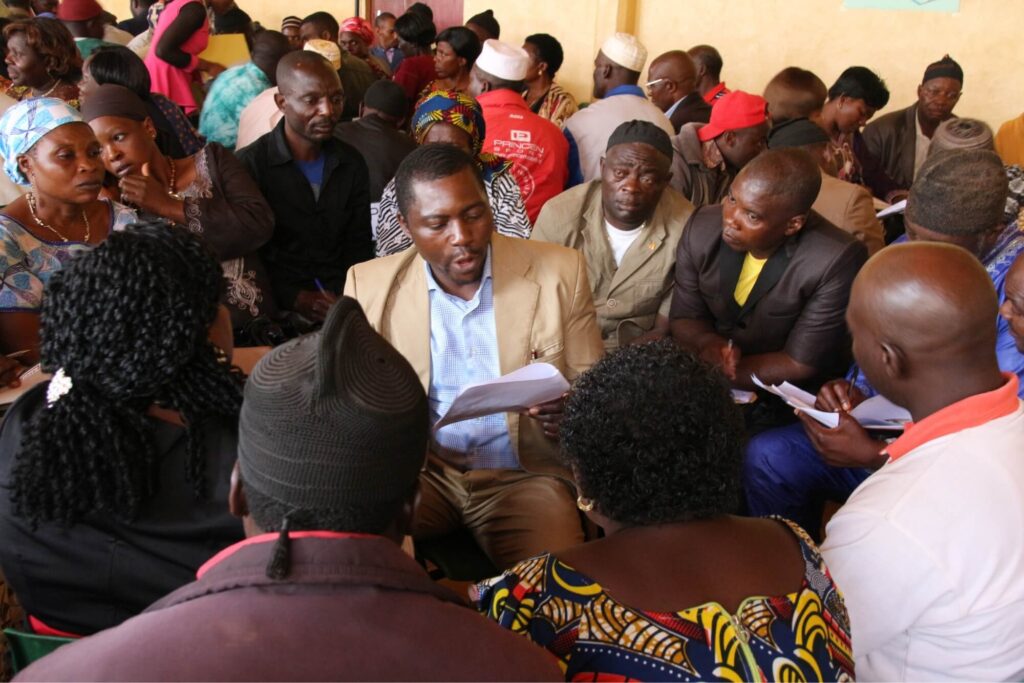
Knowledge for Children’s work in over 250 primary schools and communities has had a significant impact on education, community development, and overall well-being of children and community members. The projects have directly impacted over 2000 teachers and 65,000 pupils. Some of the key educational results achieved so far include; an improvement in academic performances of pupils in rural areas, an increased in access to education and an enhanced teacher capacity.
The projects have also significantly strengthened collaborations between teachers, parents, policymakers, and communities to work towards the goal of inclusive education and social cohesion
Last but not the least, KforC’s collaborations with international organizations and donors has fostered stronger partnerships and networks that supports sustainable development initiatives in Cameroon and beyond
Discover Us
Key Impact Area
School Facilities and Learning Resources
Improved school infrastructure creates safer and more conducive environments for learning. The provision of educational materials, such as textbooks and teaching aids, enables students to access better resources, resulting in higher academic performance and increased school attendance.
Teacher Capacity Development
Enhanced teaching quality across schools, with teachers equipped with better pedagogical skills, modern teaching methods, and effective classroom management techniques. This leads to improved student performance and more engaging learning experiences.
Education Sponsorship for Orphans and Vulnerable Children (OVCs)
Vulnerable children who would otherwise be excluded from education due to financial constraints are able to attend school, receive quality education, and gain the tools they need to improve their futures. This reduces educational inequality and empowers children to break the cycle of poverty.
Water, Sanitation, and Hygiene (WASH)
The implementation of WASH programs leads to improved health and hygiene in schools and communities, reducing the spread of waterborne diseases. Students and their families benefit from access to clean water and proper sanitation, which in turn improves school attendance, especially for girls.
Youth Empowerment
By equipping young people with life skills, leadership opportunities, and career training, KforC helps youth become more self-reliant, confident, and prepared for the workforce. This empowers them to actively contribute to their communities and reduces youth unemployment and social exclusion.
Pupils Capacity Development
Pupils develop essential academic skills such as literacy, numeracy, and critical thinking, which boost their educational achievements and life outcomes. This enables students to excel both academically and socially, preparing them for future educational opportunities and employment.
Community Capacity Development
Strengthening the capacity of local communities fosters greater ownership of educational and developmental initiatives. When parents, teachers, and community members are involved in decision-making, there is increased accountability, better resource allocation, and sustainable development that benefits the entire community.
Strategic Partnerships
Collaborations with various organizations help amplify KforC’s reach and effectiveness. Through strategic partnerships, the organization is able to pool resources, expand its programs, and ensure greater impact at both the local and national levels, furthering the cause of education and community development.
Gender-Based Violence (GBV) Awareness and Prevention
Increased awareness and prevention of gender-based violence lead to safer learning environments for girls and boys. By addressing GBV, KforC promotes gender equality and ensures that all children can thrive without the threat of violence, thus creating a more supportive and inclusive educational experience.